A Fresh Start with a Bold Vision

At Quest Wellness LLP, we are a passionate, forward-thinking wellness centre born out of a simple idea - you deserve nothing but the best.

We may be a new name in the wellness space, but we’ve made a powerful start. Nestled in the heart of Vile Parle East, our centre is one of the largest of its kind in the Mumbai Metropolitan Region (MMR). Equipped with cutting-edge technology, world-class infrastructure, and thoughtfully designed spaces, Quest brings together science, care, and comfort-under one roof.

Read More

OUR TOP SERVICES

Personalised Wellness Center – Tailored Care for Your Health Journey

Frequently Asked Questions

Hair loss can be caused by various factors, including genetics, hormonal changes, medical conditions, medications, stress, and nutritional deficiencies. The most common cause of hair loss is androgenetic alopecia, also known as male or female pattern baldness, which is primarily influenced by genetic factors.

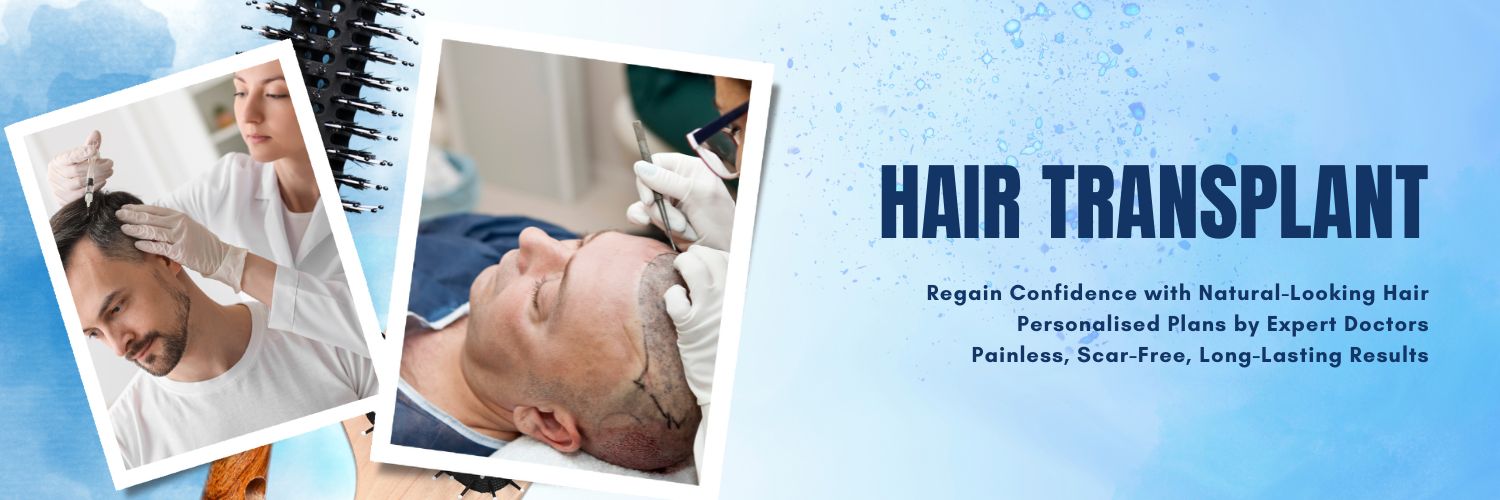
A hair transplant is a surgical procedure that involves moving hair follicles from a donor area (typically the back or sides of the scalp) to a recipient area where hair loss has occurred. The procedure is designed to restore natural hair growth in areas that have become bald or thin.

During a hair transplant, hair follicles are carefully extracted from the donor area and then transplanted into the recipient area. The transplanted hair follicles are genetically resistant to the hormone dihydrotestosterone (DHT), which is responsible for causing hair loss. These follicles continue to grow and thrive in their new location, resulting in permanent hair restoration.

There are two primary techniques used in hair transplant procedures: follicular unit transplantation (FUT) and follicular unit extraction (FUE). FUT involves the removal of a strip of scalp from the donor area, which is then dissected into individual grafts. FUE involves the extraction of individual follicular units directly from the scalp using specialized tools. Both techniques have their advantages and limitations, and the choice between them depends on various factors such as the patient’s hair loss pattern and their specific needs.

FUT may leave a linear scar at the donor site, although it is typically concealed by surrounding hair. FUE, on the other hand, leaves small circular scars that are less noticeable. With advancements in surgical techniques, skilled surgeons strive to minimize scarring and ensure natural-looking results.

Hair transplant procedures are performed under local anesthesia, which numbs the scalp and minimizes discomfort during the procedure. Most patients report feeling little to no pain during the surgery. After the procedure, some discomfort or soreness in the scalp may be experienced, but this can be managed with medication prescribed by the surgeon.

The duration of a hair transplant procedure varies depending on the extent of hair loss and the technique used. Generally, it can take anywhere from several hours to a full day to complete the procedure. Factors such as the number of grafts required, the surgeon’s expertise, and the patient’s individual characteristics contribute to the overall duration.

Yes, the results of a hair transplant are considered permanent. The transplanted hair follicles retain their genetic resistance to DHT and continue to grow naturally in the recipient area. It’s important to note that while the transplanted hair is permanent, the existing native hair surrounding it may still be susceptible to further hair loss. Therefore, additional treatments, medication or maintenance may be recommended to preserve the overall appearance of the hair.

After a hair transplant, the scalp may experience some redness, swelling, and scabbing, which are normal and temporary. Our dedicated care team will provide post-operative instructions on how to care for the scalp, including proper cleansing and avoiding certain activities that may disrupt the healing process. It’s important to follow these instructions to ensure optimal healing and minimize the risk of complications. Most individuals can return to work and resume regular activities within a few days to a week after the procedure.

Hair transplant results are not immediate. Initially, the transplanted hair will shed within a few weeks of the procedure. This shedding is a normal part of the process. Afterward, new hair growth will gradually emerge from the transplanted follicles. Most individuals start to see noticeable improvement within three to six months, with significant growth and density achieved within six to twelve months. Full results may continue to develop over the course of a year or more.

Testimonials

We take pride in the trust and satisfaction of our clients.
Here’s what some of them have to say

Get Free Assessment

Start your journey toward a head full of hair!

First Name *
Last Name
E-mail
Message
Debug: fill fields